

Timing is critical for heart health, as many serious cardiac conditions show no symptoms until they become advanced or critical. This is why early, simple tests like an electrocardiogram (ECG) are essential for detecting potential issues before they escalate.
One of the most popular and useful tests for evaluating heart function is an electrocardiogram, also known as an ECG or EKG. It’s quick, painless, and can highlight issues that might otherwise go unnoticed.
This article will cover what an ECG does, what it detects, who should get one, and why it matters, even if you feel perfectly fine.
What Is an ECG?
Your heart’s electrical activity is measured by an ECG, sometimes referred to as an EKG test. An ECG measures the electrical conductivity of each heart beat through the heart muscle.
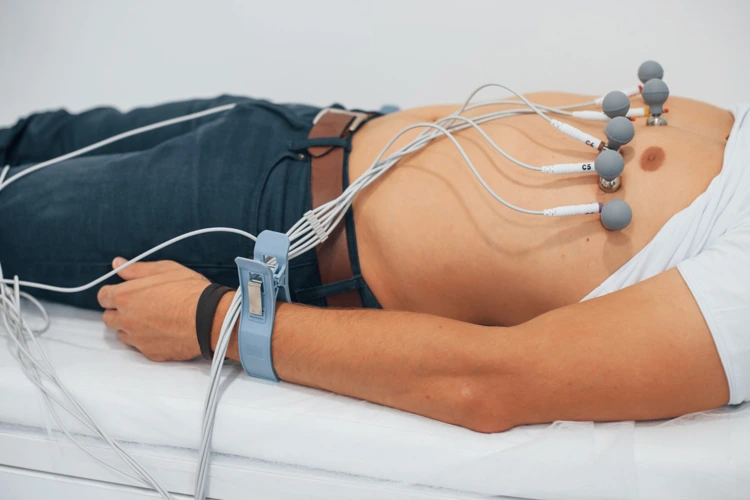
Small adhesive electrodes applied to your arms, legs, and chest during the investigation, link to a monitor. This displays the timing, rhythm, amplitude and rate of the heartbeat as a sequence of electrical waves.
It takes approximately ten minutes, is non-invasive, and doesn’t involve any recovery or preparation time.
What Does an ECG Detect?
In addition to being a primary tool for identifying arrhythmias (irregular heart rhythms), the ECG can also identify symptoms of a wide range of other problems.
1. Heart Rhythm Problems
If your heart is beating too quickly (tachycardia), too slowly (bradycardia), or irregularly (e.g. atrial fibrillation), an ECG may identify it.
These changes could be silent or manifest as symptoms like fatigue, dizziness, or palpitations.
2. Previous or Ongoing Heart Attacks
An ECG can reveal whether you are currently having a heart attack or if you have had one in the past. Damaged heart muscle or blocked arteries are indicated by specific wave changes.
3. Structural Abnormalities
Ventricular hypertrophy, which frequently results from long-term high blood pressure or heart disease, can be detected from changes on the ECG.
4. Electrolyte Imbalances
The electrical activity of the heart can be impacted by variations in blood electrolytes eg. potassium, calcium, or magnesium levels. These imbalances can be detected by an EKG test before symptoms show up.
5. Effects of Medication
Certain drugs can change the rhythm of your heart, especially those used to treat heart or mental health issues. An ECG aids in side effect monitoring.
Why It’s Important — Even Without Symptoms
Globally, heart disease is the leading cause of death. However, a lot of heart conditions develop gradually, and early changes frequently don’t show any symptoms at all.
An ECG gives you a real-time picture of your heart’s health. This may be useful to:
- Catch problems early, before they become emergencies
- Monitor heart health if you’re at higher risk
- Help make decisions regarding additional testing or treatment.
- Clear you for surgery or exercise programs
Although an abnormal ECG may indicate the need for additional research, it does not always indicate a serious problem.
Who Should Get an ECG?
You may benefit from an ECG if you:
- Experience symptoms like shortness of breath, dizziness, palpitations, or chest pain.
- Have a family history of heart disease or sudden cardiac death
- Are over 40 and haven’t had a recent heart check
- Have high blood pressure, diabetes, or high cholesterol
- Are starting a new medication known to affect heart rhythm
- Want a baseline reading as part of a preventative health check
- Are about to undergo surgery or start a strenuous training program
As part of a standard health evaluation, some people decide to have an ECG, particularly if it is combined with other tests like VO₂ max, CT calcium scoring, or cholesterol.
What Happens During the Test?
The actual test is quick and simple:
- Electrodes will be positioned on your arms, legs, and chest while you lie on a table.
- The machine records your heart’s electrical signals for a few seconds.
- The data is printed or displayed as a waveform pattern for interpretation by a doctor or technician.
You can return to normal activities immediately afterwards.
What If My ECG Is Abnormal?
Not all ECG abnormalities are reason for concern. It can occasionally reflect:
- A slight fluctuation in the rhythm of your heart
- A problem that necessitates additional testing (such as a stress test or echocardiogram)
- A medication side effect
- A condition that was previously unidentified but now requires monitoring
Interpretation is crucial. To determine the best course of action, your doctor will consider all relevant information, including your symptoms, medical history, and risk factors.
Final Word
An ECG is a straightforward yet effective instrument. It’s a quick, non-invasive method to check the health of your heart, whether you want to prevent heart disease, understand odd symptoms, or simply get peace of mind.
It’s often the first step in detecting and preventing serious heart conditions.
References
- UC Davis Health – What is an EKG and what does it detect?
https://health.ucdavis.edu/blog/cultivating-health/what-is-an-ekg-and-what-does-it-detect-learn-more-about-this-common-heart-test/2025/03
- Mayo Clinic – Electrocardiogram (ECG or EKG)
https://www.mayoclinic.org/tests-procedures/ekg/about/pac-20384983
- American Heart Association – Electrocardiogram (EKG)
https://www.heart.org/en/health-topics/heart-attack/diagnosing-a-heart-attack/electrocardiogram-ecg-or-ekg - Cleveland Clinic – Electrocardiogram (ECG/EKG)
https://my.clevelandclinic.org/health/diagnostics/16953-electrocardiogram-ekg