

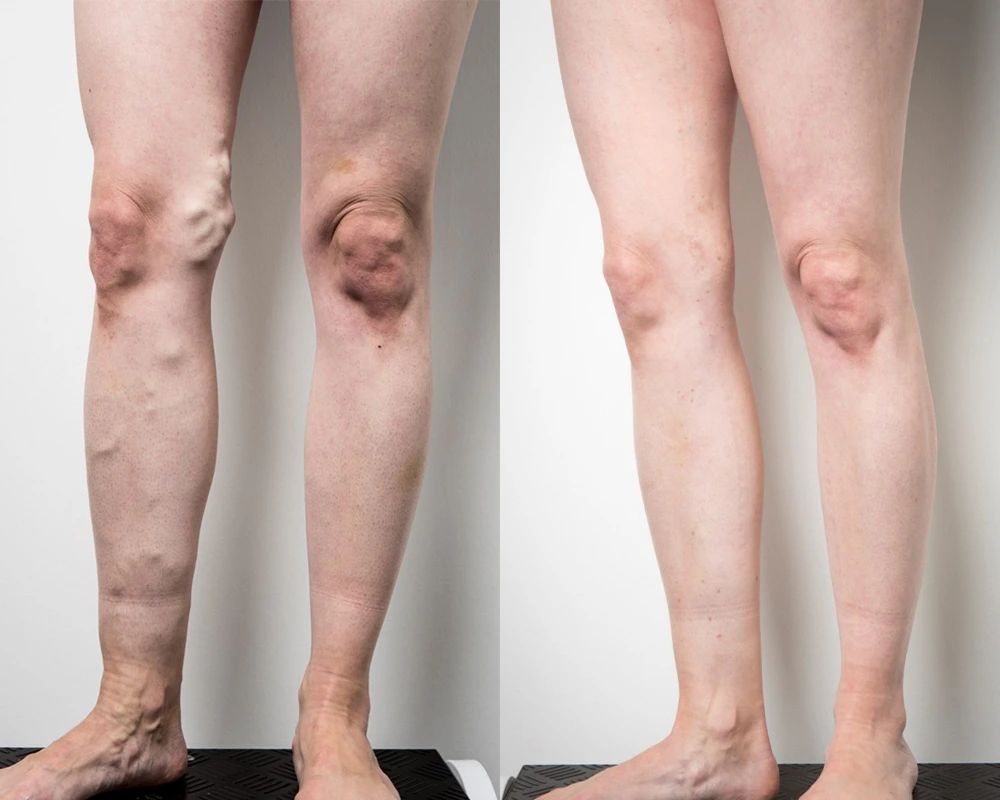
Chronic pain and discomfort in the legs are often dismissed as minor issues, yet for many people, they are symptoms of more serious vascular conditions. Varicose veins and venous leg ulcers not only affect physical health but also severely impact mobility, confidence, and overall quality of life. Fortunately, modern vein treatment has transformed the way these conditions are managed, offering patients real relief without the need for invasive surgery.
How Varicose Veins Progress and Lead to Leg Ulcers
Varicose veins are more than a cosmetic issue—they’re a sign of venous insufficiency. When valves within the leg veins malfunction, blood pools instead of flowing upward toward the heart. Over time, this pressure causes the veins to bulge and twist, forming the visible, rope-like structures we associate with varicose veins.
If left untreated, this condition can evolve into chronic venous hypertension. The increased pressure in the veins damages surrounding tissues and can eventually result in skin breakdown. This breakdown may lead to venous leg ulcers, which are painful, slow-healing wounds usually located around the ankles. These ulcers are notoriously difficult to manage without addressing the underlying vein disease.
Why Modern Vein Treatment Is Critical for Healing
Effective healing starts with improving circulation. Contemporary vein treatment methods target the faulty veins at the root of the issue. By closing or removing these dysfunctional vessels, blood is rerouted through healthy veins, restoring proper flow and allowing ulcers to heal naturally.
Minimally invasive treatments—such as radiofrequency ablation, endovenous laser therapy, and ultrasound-guided foam sclerotherapy—are now standard in managing both varicose veins and ulcer-causing venous insufficiency. These procedures are typically performed in-office, under local anesthesia, and require minimal downtime. Most importantly, they’re not just cosmetic; they directly reduce inflammation, pressure, and pain in the affected limbs.
Reducing Leg Pain and Preventing Recurrence
One of the most overlooked benefits of treating varicose veins early is pain reduction. Leg fatigue, cramping, swelling, and heaviness often disappear once venous flow is corrected. In patients with ulcers, pain relief is even more noticeable as the ulcer closes and surrounding tissue regenerates.
Equally important is preventing recurrence. Without proper intervention, even a healed ulcer has a high chance of returning. Comprehensive vein evaluation, including ultrasound diagnostics, helps clinicians identify the full extent of venous dysfunction and guide long-term treatment planning. This includes medical compression therapy, lifestyle adjustments, and sometimes follow-up procedures to maintain results.
A Patient-Centered Approach to Long-Term Vein Health
Every patient’s condition is different, which is why a customized treatment plan is essential. A skilled vein specialist will not only focus on symptom relief but also ensure that the entire venous system is functioning properly. This approach dramatically improves the success rate of healing leg ulcers and controlling the progression of varicose veins.
Access to modern vascular care has empowered patients to regain mobility and live pain-free lives. Whether you are experiencing the early signs of venous insufficiency or managing an active ulcer, addressing the root cause with targeted care is the most effective way to protect your long-term health.
To learn more about modern approaches to varicose veins treatment and how they can support healing and long-term relief, visit The Vein Place.