

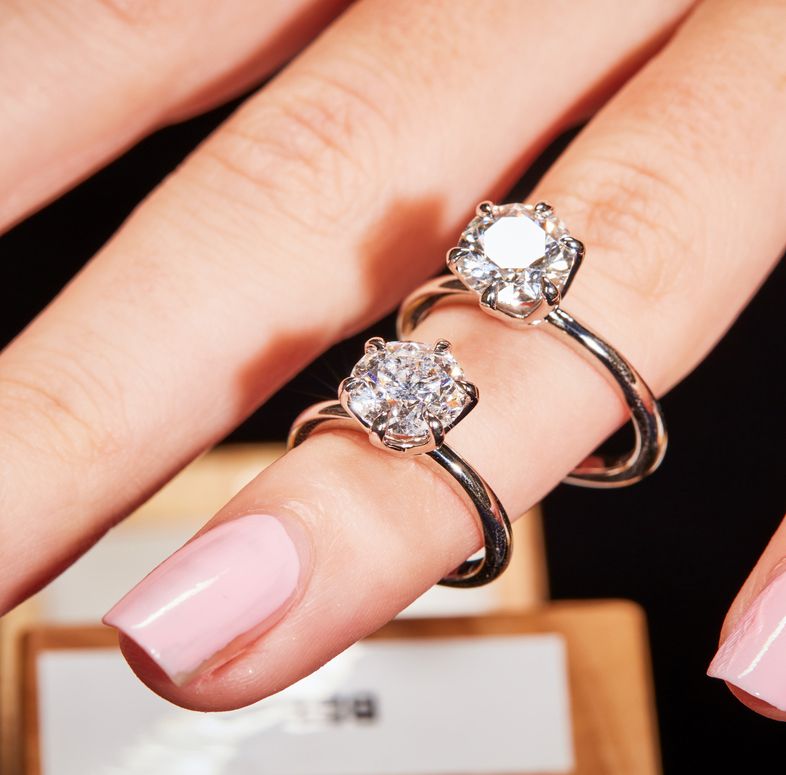
When it comes to choosing a stone for an engagement ring, a special gift, or even as an investment, buyers frequently find themselves comparing diamond vs moissanites vs. lab grown diamonds. All three have unique qualities that make them appealing, but they also differ in terms of brilliance, durability, cost, and cultural significance. With growing interest in sustainable and affordable alternatives to mined gems, it’s no wonder this discussion is gaining traction.
In this article, we’ll break down the differences between these stones, explore how they’re made, and help you decide which might be the right choice for your needs.
The Appeal of Diamonds: Natural and Lab Grown
Diamonds have held their place as the ultimate symbol of luxury and love for centuries. Traditionally mined from deep within the Earth, these natural gems formed billions of years ago under extreme heat and pressure. Their unmatched hardness (10 on the Mohs scale) and timeless brilliance have made them the standard against which all other stones are measured.
In recent decades, however, lab grown diamonds have changed the landscape. Created using advanced technology that replicates natural formation processes, they are chemically, physically, and optically identical to mined diamonds. This means they offer the same sparkle, durability, and fire, but often at a lower price and with less environmental impact.
Lab Grown Diamond Production Methods
Lab grown diamonds come in two main production styles:
- High Pressure High Temperature (HPHT): Mimics the conditions found deep within the Earth.
- Chemical Vapor Deposition (CVD): Grows diamonds layer by layer using carbon-rich gases.
For buyers, the main differences between natural and lab grown diamonds often come down to price and perception. While some still value the rarity of natural stones, others appreciate the ethical and budget-friendly advantages of man-made options.
Moissanites: A Sparkling Alternative
Moissanite has been gaining popularity as a diamond alternative for engagement rings and fine jewelry. Originally discovered in a meteor crater in the late 19th century, natural moissanite is incredibly rare. Today, the moissanites found in jewelry are created in laboratories.
Key Qualities of Moissanite
- Brilliance and Fire: Moissanites disperse light differently, giving them a rainbow-like sparkle that some find more eye-catching than diamonds.
- Durability: Ranking 9.25 on the Mohs hardness scale, they are nearly as tough as diamonds and suitable for daily wear.
- Affordability: Moissanites are often a fraction of the cost of both mined and lab grown diamonds, making them an attractive choice for budget-conscious shoppers.
One thing to keep in mind is that moissanites don’t look exactly like diamonds. Their higher refractive index creates a distinctive “disco ball” effect under certain lighting. Some people love the extra flash, while others prefer the classic look of diamonds.
Comparing Diamonds vs. Moissanites vs. Lab Grown Diamonds
When deciding between diamonds, moissanites, and lab grown diamonds, it helps to compare across several key factors:
1. Appearance
- Natural & Lab Grown Diamonds: Both have the same optical properties and a classic, timeless brilliance. They reflect white light with a balanced sparkle.
- Moissanites: Known for their fiery rainbow flashes. Some people prefer this, while others feel it’s less diamond-like.
2. Durability
- Diamonds: The hardest natural material, nearly scratch-proof.
- Moissanites: Extremely durable, second only to diamonds. Suitable for everyday wear.
3. Cost
- Natural Diamonds: Generally the most expensive, partly due to rarity and market demand.
- Lab Grown Diamonds: About 30–50% less expensive than mined diamonds of similar size and quality.
- Moissanites: The most affordable option, often costing 80–90% less than natural diamonds.
4. Ethical and Environmental Impact
- Mined Diamonds: Concerns remain about ecological disruption and ethical sourcing in some regions.
- Lab Grown Diamonds: Considered more sustainable, with significantly lower environmental impact.
- Moissanites: Entirely lab created, making them conflict-free and eco-friendly.
5. Resale Value
- Natural Diamonds: Traditionally hold value better, though resale prices are still lower than retail.
- Lab Grown Diamonds & Moissanites: Currently have limited resale value, as the secondary market is still developing.
Why People Choose One Over the Other
- Diamonds (natural or lab grown): Buyers seeking timeless elegance, long-term symbolism, or investment potential often gravitate toward diamonds. For many, the emotional weight and cultural tradition play a huge role.
- Moissanites: Appeal to those who want beauty and brilliance at a fraction of the cost, or those who prioritize ethical sourcing without the diamond price tag. They’re especially popular among younger buyers who value practicality and sustainability.
- Lab Grown Diamonds: Often chosen by couples who want the “real” diamond look and feel, but with a more modern, ethical twist and a more budget-friendly price point.
Making the Right Choice
So, how do you decide between these options? Start by asking yourself what matters most:
- If tradition, rarity, and long-term symbolism are important, a natural diamond may be the right fit.
- If you want a real diamond without the hefty price tag and with fewer ethical concerns, lab grown diamonds offer an excellent balance.
- If you prioritize affordability, sustainability, and brilliance, moissanites provide stunning beauty at an unbeatable price.