

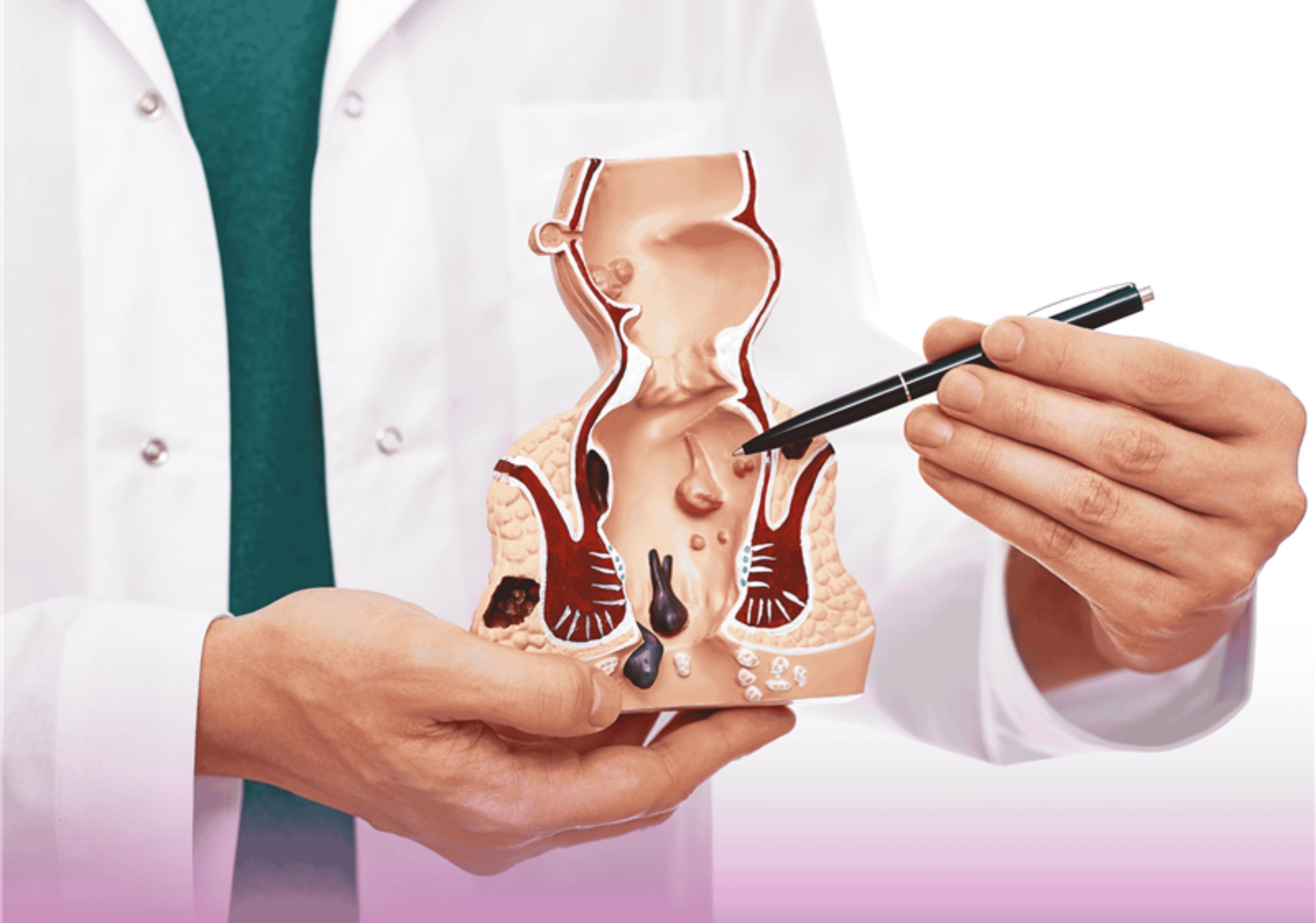
Normal hemorrhoids are crucial anatomical blood vessel cushions. They’re part of a system that controls stool passage and cushions the anal tissues during bowel movements. When the veins in this area swell or become inflamed, the body’s normal elimination process can lose its rhythm. At first, it might be a passing discomfort. But as days go by, you may start changing how you sit, move, and even plan your day around bathroom trips. Delay here doesn’t just risk more pain — it risks a harder, longer road back to normal.
1. Guarding Against Long-Term Circulation and Tissue Damage
When swollen rectal veins flare repeatedly, they’re more than a temporary inconvenience — they’re a warning. Chronic strain can weaken the tissue, make bleeding more frequent, and increase the difficulty of future recoveries.
A thorough, proactive approach is key to understanding and addressing the underlying causes of this chronic strain. The right Hemorrhoid Treatment Richmond VA clinician will:
- Go deeper than the flare-up — The right clinician investigates digestion, circulation, and strain patterns to catch root issues.
- Build resilience, not just relief — Strengthening surrounding tissues and improving circulation reduces the risk of repeat flare-ups.
- Stay ahead with monitoring — Tracking symptoms over time means small changes are addressed before they become bigger problems.
That isn’t only about today’s discomfort — it’s about keeping your body structurally stronger for the years ahead.
2. Stopping the Downward Spiral Before It Gains Momentum
If you’ve noticed swelling, itching, or tenderness in the rectal area that keeps coming back — even mildly — that’s a sign to act. This isn’t alarmism; it’s practical damage control. Once the swelling escalates, you experience severe consequences from bleeding to a persistent feeling of pain and irritation.
Crucial proactive measures include;
- Spot what’s changing early — Maybe you’re adjusting how you sit at work, avoiding certain chairs, or noticing a pattern after long commutes.
- Get a focused assessment — A skilled provider will look beyond symptoms, checking posture habits, circulation issues, and diet-related triggers.
- Choose a plan that fits your life — If you’re on the road a lot, recovery protocols will be designed for mobility. If you’re on your feet all day, measures will address that strain directly.
Early, precise intervention stops the slide before it becomes a fight uphill.
3. Keeping Discomfort from Hijacking Your Work and Focus
For some, inflamed anal veins stay hidden from colleagues but still sabotage productivity. It’s not just about the inflation of the vascular structures; it’s the mental space awkward sitting positions steals. Whether meetings, walking, or handling daily routines, you can’t afford constant distraction.
Experienced vascular specialists will help in the following;
Pinpoint the real aggravators — Long-haul drives, heavy lifting, or even your work attire can worsen swelling.
Match treatment to your schedule — High-demand jobs need interventions that restore comfort fast without forcing weeks off.
Reclaim full attention — Once pain and irritation are controlled, you can focus entirely on the job without subtle physical tells giving away discomfort.
Here, the goal isn’t just symptom relief — it’s keeping you sharp, confident, and fully present in what matters.
4. Restoring Ease in the Everyday Things
Pain or swelling in the anal area can make even small, enjoyable routines feel like chores. Skipping a coffee meetup because sitting will hurt, or adjusting sleep positions night after night, takes a toll on more than comfort — it changes how you live.
A thorough, proactive approach is key to understanding and addressing the underlying causes of this chronic strain. The right clinician will:
- Don’t let habits reshape your life — The longer you work around discomfort, the harder it is to break those avoidance patterns.
- Recover without big interruptions — Modern treatments often allow a return to regular activity in days, not weeks.
- Make solutions match your reality — Whether you’re managing a busy home, a travel schedule, or hands-on technical work, your plan should be seamless to follow.
Quick action helps you get back to life without building routines around a condition that can be resolved.
5. Using Modern Care to Make Results Last
Today’s approaches to treating piles and rectal vein swelling focus on targeted results with minimal disruption — but these advantages are maximized when you don’t wait until the problem peaks. Modern medical centers like National Vascular Associates offers solutions designed to address the root causes of the issue, not just the symptoms.
A strategic care plan offers:
- Precision for your specific case — From non-surgical procedures to advanced minimally invasive methods, care is tailored to your anatomy and needs.
- Shorter, cleaner recoveries — With less invasive options, you’re back on your feet faster, without sacrificing thoroughness.
- Prevention built into the process — Sustainable progress comes from addressing causes, not just managing flare-ups.
That is where expertise, planning, and technology intersect to give you not only relief, but durability.
In conclusion, hemorrhoids inflammation causing swelling or irritation in the rectal or anal area is a sign to engage skilled help, not wait it out. Vascular medical experts will combine deep assessment, tailored strategy, and advanced care, recovery is faster — and your long-term stability is protected. Acting early doesn’t just fix what’s wrong now; it sets you up for a future where you’re in control, not your symptoms.