

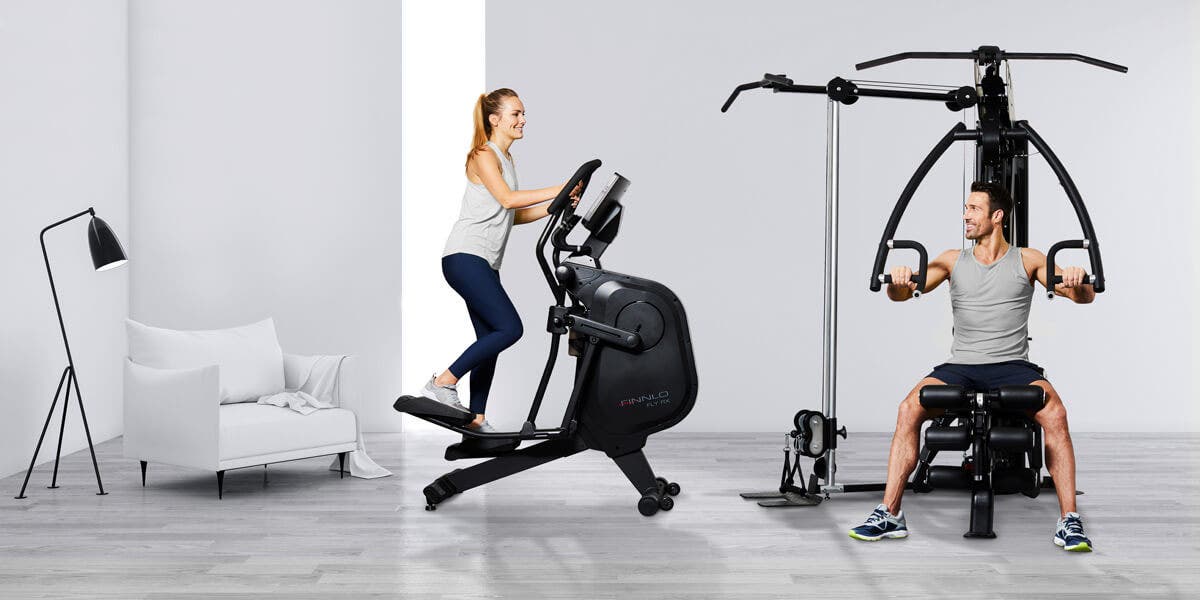
In today’s health-conscious world, staying active is more than just a trend it’s a lifestyle. With busy schedules and unpredictable routines, many people are bringing the gym to their homes. This shift has made fitness equipment an essential part of everyday life for those who want to stay fit without stepping into a crowded gym.
Whether you’re a beginner looking to start your fitness journey or someone aiming to maintain consistency, having the right tools at home can make all the difference. Let’s explore how different types of workout gear can help you reach your goals while keeping your routine engaging and effective.
Why Quality Workout Gear Matters
Before diving into specific tools, it’s important to understand why investing in good equipment matters. Simply put, having access to the right gear makes it easier to stick with your workouts. It removes common barriers like travel time, waiting for machines, or uncomfortable environments.
Moreover, the variety offered by different training tools allows you to customize your workouts based on your preferences and goals. Whether you’re focused on building muscle, improving endurance, or enhancing flexibility, there’s a piece of equipment designed to support that aim.
The best part? You don’t need a full basement gym to get results. A few well-chosen items can transform even a small space into a functional, motivating workout zone.
Types of Training Tools and Their Benefits
When it comes to choosing exercise gear, not all tools are created equal. Each serves a unique purpose and helps target different aspects of fitness. Here are some of the most popular categories:
1. Strength Training Essentials
Dumbbells, kettlebells, resistance bands, and weight benches are perfect for building muscle and increasing strength. These tools allow for progressive overload a key factor in muscle development by letting you gradually increase resistance over time.
2. Cardio Machines
If heart health and calorie burning are your goals, consider adding cardio equipment like treadmills, stationary bikes, ellipticals, or rowing machines. These tools provide consistent aerobic workouts regardless of weather conditions.
3. Functional and Core Training Aids
Items like medicine balls, stability balls, foam rollers, and suspension trainers (like TRX) help improve balance, coordination, and core strength. They also play a big role in recovery and mobility work.
4. Yoga and Stretching Accessories
A high-quality yoga mat, blocks, and straps can greatly enhance flexibility, posture, and relaxation. These are especially useful if you enjoy low-impact workouts or want to incorporate stretching into your daily routine.
Creating a Balanced Home Gym Setup
Setting up a home workout area doesn’t have to be overwhelming. Start by identifying your main fitness goals and choose tools that align with them. For example, if you love strength training, prioritize dumbbells and resistance bands. If you’re more into cardio, a treadmill or stationary bike might be your go-to.
Here are a few tips to build a balanced home gym:
- Start Small and Expand Gradually
You don’t need everything at once. Begin with a few versatile pieces and add more as your confidence and needs grow. - Use Wall Space Wisely
Shelves, hooks, and storage bins can help keep your gear organized and out of the way when not in use. - Include Motivational Elements
Add mirrors to check your form, a speaker for music, or motivational quotes to keep your energy high during workouts. - Invest in Quality Over Quantity
Choose durable, well-reviewed products that will last instead of buying cheap, flimsy options that may break quickly.
Who Can Benefit from Having Exercise Gear at Home?
Home workout tools aren’t only for athletes or fitness enthusiasts they can benefit anyone who wants to stay active. Busy professionals who struggle to find time for the gym, parents managing childcare, or individuals recovering from injuries can all benefit from having fitness equipment within reach.
Even older adults or beginners can use simple tools like resistance bands or light dumbbells to improve mobility, balance, and overall health. The goal isn’t to replicate a commercial gym but to create a personal space where movement feels accessible and enjoyable.
Cost vs. Value: Is It Worth the Investment?
One of the biggest concerns when setting up a home gym is cost. While some high-end machines can be expensive, there are plenty of budget-friendly alternatives that still deliver great results.
For instance, a set of adjustable dumbbells can replace multiple fixed weights, saving both money and space. Resistance bands are another affordable option that offer a wide range of exercises for strength and mobility.
Also, think about long-term savings. Paying for a gym membership year after year can add up, while home gear is often a one-time investment that grows more valuable with every use.
If you’re unsure where to begin, start with multi-use items like a sturdy mat, a jump rope, and a few resistance bands. As you discover what you enjoy most, you can slowly add more specialized gear.
Staying Consistent with Your Routine
Having the best fitness equipment means nothing if it ends up collecting dust. To avoid that, create a plan that keeps you engaged and motivated. Use online fitness apps, follow YouTube workout videos, or join virtual classes to bring structure and variety to your sessions.
Tracking your progress is also crucial. Keep a journal or use a fitness tracker to note improvements in strength, endurance, or flexibility. Seeing progress reinforces your efforts and encourages you to keep going.
Lastly, remember that consistency beats intensity. Even short 20-minute workouts with basic tools can lead to meaningful results over time as long as you stay committed.
Final Thoughts
So, is investing in fitness equipment worth it? Absolutely especially if it helps you stay consistent with your workouts. Whether you’re aiming to lose weight, gain strength, or simply boost your energy levels, having the right tools at home makes it easier to reach your goals.
Remember, the best home gym is the one you’ll actually use. Focus on quality, functionality, and comfort rather than trying to buy everything at once. With a thoughtful approach, you can build a personalized workout space that supports your health and keeps you moving for years to come.