

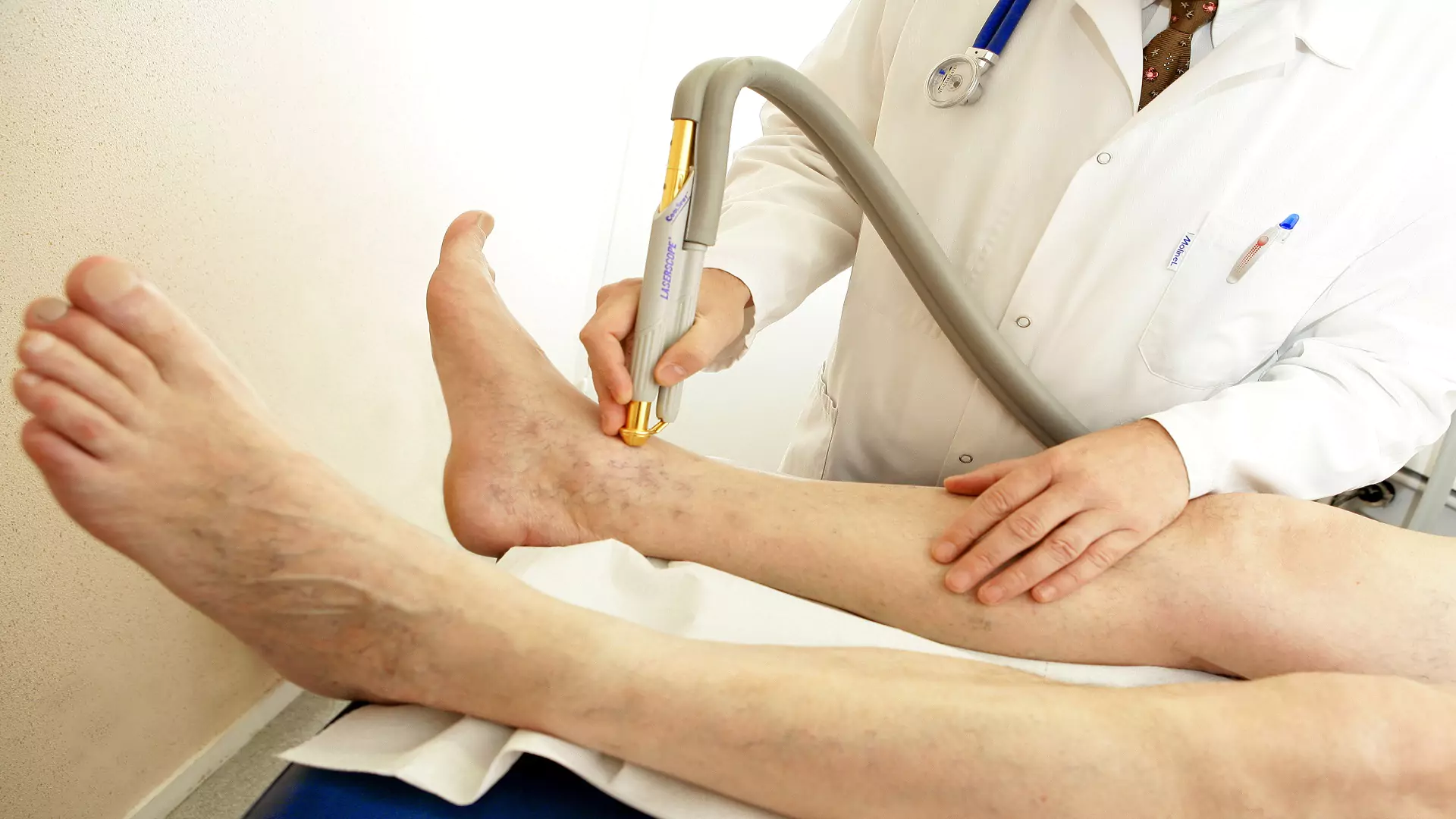
Modern medicine has transformed the way varicose veins are managed. Where once patients had to endure painful surgeries and long recovery times, today’s approaches emphasize comfort, precision, and rapid return to normal life. Minimally invasive varicose vein treatment options now represent the gold standard in vascular care—especially for those seeking results without disruption.
At clinics like Vein & Wound Experts in the Los Angeles area, patients benefit from advanced technologies that target the source of vein issues while preserving healthy tissue and function. This guide walks you through the most reliable and evidence-based solutions available today.
How Minimally Invasive Treatments Differ From Traditional Vein Surgery
Traditional vein surgery, often involving ligation and stripping, has largely been replaced by techniques that prioritize minimal trauma and outpatient recovery. Minimally invasive varicose vein treatment options focus on sealing or collapsing the affected veins using controlled energy or sclerosing agents, all performed through tiny incisions or catheter insertions.
The benefits go beyond shorter recovery. There’s also less scarring, reduced pain, and significantly lower risk of complications. These treatments are particularly suited for patients with early to moderate-stage varicose vein disease or chronic venous insufficiency.
Types of Minimally Invasive Varicose Vein Treatment Options in Clinical Use
Three core procedures dominate the current standard of care when it comes to minimally invasive varicose vein treatment options: radiofrequency ablation (RFA), endovenous laser therapy (EVLT), and ultrasound-guided foam sclerotherapy. Each has distinct advantages depending on the vein size, depth, and severity of symptoms.
Radiofrequency ablation uses thermal energy to close off faulty veins. It is particularly effective for larger saphenous veins that contribute to visible surface varicosities.
Endovenous laser therapy offers a similar outcome through the use of targeted laser energy, guided by ultrasound imaging. Both procedures are usually completed within an hour and require only local anesthesia.
Ultrasound-guided sclerotherapy, by contrast, involves injecting a medical-grade foam into affected veins. It is ideal for twisted or hard-to-reach vessels and can complement thermal ablation when multiple vein systems are involved.
Patient Experience and What Recovery Looks Like
A key reason patients opt for minimally invasive varicose vein treatment options is the ease of recovery. Most individuals can walk immediately after the procedure and resume normal activities within 24 to 48 hours. Compression stockings are usually recommended for a week or two to aid healing and optimize circulation.
Discomfort is minimal—typically limited to mild bruising or tightness near the treatment site. Because the procedures address vein dysfunction at its source, recurrence rates are significantly lower than with surface-level cosmetic solutions.
Why Early Treatment Matters for Long-Term Vein Health
Varicose veins are not just a cosmetic issue; they often signal deeper circulatory dysfunction. Left untreated, they may lead to swelling, skin discoloration, or even ulceration. That’s why early consultation with a vein specialist is critical—not only to improve aesthetics, but to preserve the integrity of your vascular system over time.
Vein & Wound Experts clinic specializes in comprehensive vein care and perform a full diagnostic workup including duplex ultrasound to map vein reflux patterns. This approach ensures that treatment targets the origin of the issue—not just its visible effects.
If you’re exploring options for varicose vein treatment in Los Angeles CA, make sure your provider is experienced in minimally invasive procedures and follows evidence-based protocols.
What to Ask Before Committing to Treatment
Before undergoing any procedure, patients should ask about the clinician’s experience with each method, the expected number of sessions, post-procedure care, and insurance coverage. Clear communication between physician and patient leads to better expectations and improved outcomes.
Importantly, not every patient requires the same approach. A thorough evaluation will determine whether one or a combination of these treatments is most appropriate. Long-term success often relies not only on the procedure itself but also on how well vein health is managed afterward.